
Our adult services focus on promoting independence, confidence, and meaningful community connections—supporting individuals as they work toward a more self-directed and fulfilling life.
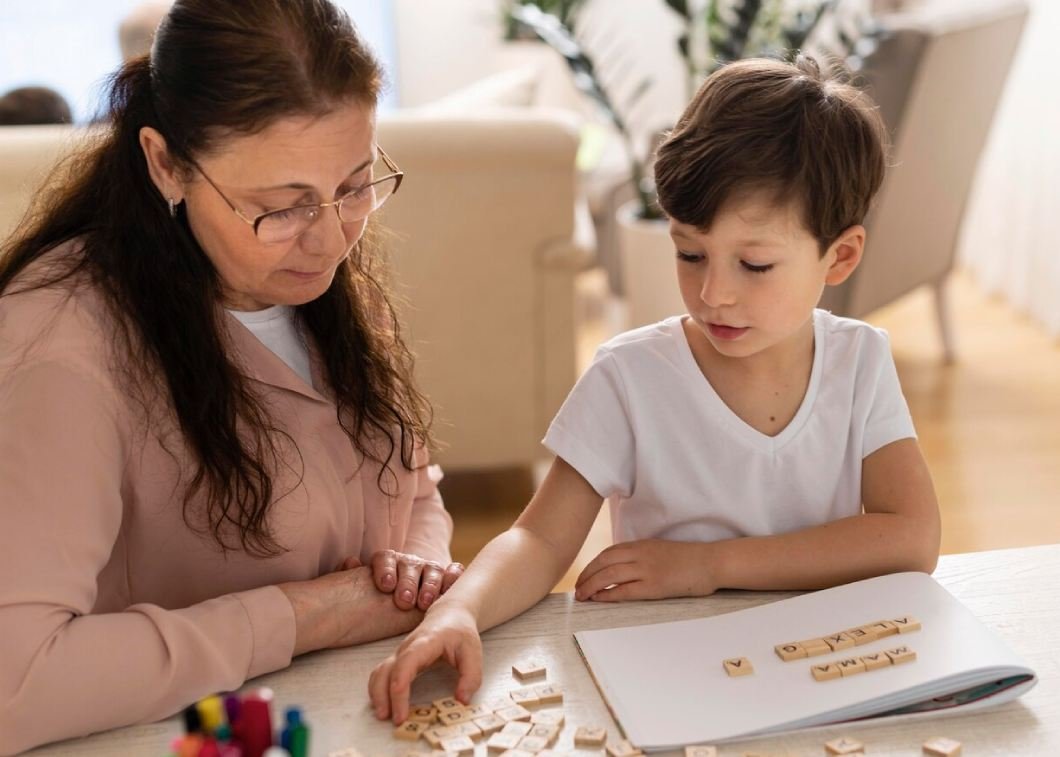
As young people go through physical, emotional, and social changes, we provide structured support that helps them build resilience, manage challenges, and develop positive life skills.
Our dedicated Support Workers provide consistent, hands-on assistance to individuals in their daily routines, helping them navigate everyday activities with confidence. This includes supporting participation in community-based programs such as schools, learning centers, and structured day activities.
Under the guidance of qualified Behaviour Specialists, our Support Workers and Behaviour Support Technicians follow personalized care plans tailored to each individual’s unique needs. These plans focus on enhancing behaviour, emotional well-being, communication, and overall life skills—empowering individuals to grow, develop independence, and reach their fullest potential.
Our Registered Behaviour Analysts design clear and easy-to-use data collection systems that support informed clinical decision-making. These tools record key details such as the frequency, duration, and intensity of identified behaviours, helping the care team closely monitor progress.
By regularly reviewing and analyzing this data, our clinical team evaluates the effectiveness of each intervention and makes timely, evidence-based adjustments. This ongoing, data-driven approach ensures that support strategies remain responsive, effective, and aligned with each individual’s development goals.
Our Registered Behaviour Analysts, with support from trained Behaviour Technicians, carry out detailed assessments of identified behaviours using Functional Behaviour Assessment methods. This process includes reviewing relevant records, conducting both indirect and direct assessments, completing in-person observations, and using standardized assessment tools when appropriate.
While we do not provide initial diagnoses, our assessments focus on understanding the individual’s current level of functioning and identifying the underlying purpose of challenging behaviours.
Our Registered Behaviour Analysts develop personalized Behaviour Support Plans that are carefully tailored to each individual’s unique needs and goals. These plans include proactive (antecedent-based) and responsive (consequence-based) strategies, along with proven teaching methods and clear behaviour support guidelines.
All interventions are grounded in evidence-based best practices and are designed to meet professional standards while remaining fully compliant with applicable regulatory requirements.
Training caregivers and support staff is a core part of our service approach. To ensure ABA strategies are effective, it is essential that techniques are applied consistently across all environments involved in an individual’s care.
We provide structured Behaviour Skills Training to equip direct support staff, parents, and other key stakeholders with the knowledge and confidence to correctly implement required procedures. Supervised Behaviour Technicians work closely with caregivers and teams to offer hands-on guidance, collect fidelity data, and support ongoing monitoring—allowing treatment plans to be refined and adjusted as needed.
Our Registered Behaviour Analysts and Supervised Behaviour Technicians hold regular meetings with families, agency staff, program managers, and other key stakeholders to review progress, discuss current needs, and plan next steps.
We value open communication and collaboration, making ourselves accessible so families can ask questions, share feedback, and actively participate in decisions related to their loved one’s care and ongoing development.
Each individual we support is guided by meaningful, socially relevant goals designed to improve overall quality of life. These goals focus on reducing challenging or unsafe behaviours while building practical, positive alternatives that serve the same purpose.
For example, rather than relying on aggressive responses, individuals may be supported in developing effective communication skills—such as using spoken language, gestures, visual supports, or assistive communication tools (including electronic devices)—to express their needs and preferences in appropriate ways.



We support adults in making a successful transition from structured group care environments to more independent living through specialized individual placement arrangements in collaboration with placing agencies.
Our Independent Living with Supports (ILS) Program is tailored to prepare individuals for greater autonomy by focusing on essential life skills. Support areas include coping strategies, daily and independent living skills, employment preparation such as job searching and resume development, as well as therapeutic group programs addressing topics like anger management and healthy relationships.

Join our mailing list to receive the latest news, program updates, and community highlights directly in your inbox.
© 2026 All Copyright Reserved
Made By Lumino Web Solutions
© 2026 All Copyright Reserved